DRAGON BALL LEGENDS
- 4.4
- Rating
- 50.00M
- Installs
- Free
- Price

 Analysis by App-foxy
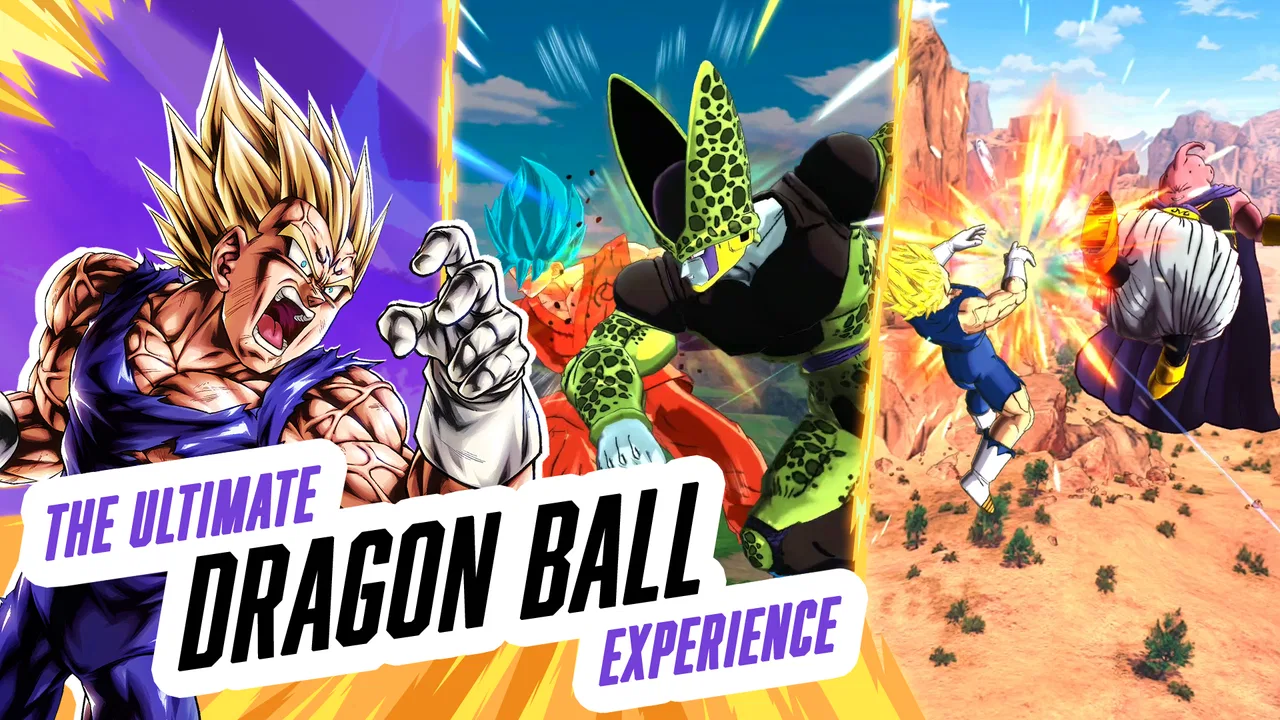
DRAGON BALL LEGENDS is the kind of mobile game I open when I want a quick anime fight rather than a long, slow role-playing session. It puts familiar DRAGON BALL characters into real-time action battles, with touch controls that are easy to understand but difficult to master. After spending time with it, my impression is clear: it is at its best when you enjoy short competitive matches, collecting characters, and gradually improving a team. It is less appealing if you want a completely offline experience, dislike repeated progression, or prefer a game with no pressure to consider optional purchases.
Developed by Bandai Namco Entertainment Inc., this free action game has built a large audience since its release on May 17, 2018. Its average rating sits at 4.3 from around 2.1 million ratings, and it has passed 50 million installs. Those figures make sense to me: the DRAGON BALL identity is immediately recognizable, while the battles are designed for phones rather than trying to copy a full console fighting game.
What playing it actually feels like
The main attraction is the sense of controlling a DRAGON BALL fighter directly. Instead of selecting commands from a traditional menu and watching a mostly automatic exchange, I swipe, tap, dodge, and choose attacks during the fight. That gives even a short match some tension. A good dodge or well-timed attack can feel more satisfying than simply having a stronger character on paper.
You May Also Like

 Blood Strike: 2.5 Anniversary
Blood Strike’s Loadouts Turn Every Drop Into a Tactical Gamble
A close look at Blood Strike’s custom loadouts: how fast access to signature weapons reshapes its battle royale rhythm, rewards preparation, and narrows the gap between fights.

 Pandora - Music & Podcasts
Pandora’s Music Is Easy to Start, but Harder to Recover
Pandora’s strength is its low-effort path from a seed to a station. Its weak spot is how much confidence it asks you to place in connection, setup, and quiet recovery.

 8 Ball Pool
 Is Built on Rivalries, Rematches, and Routine
A close look at the rivalries, rematches, shared routines, and unanswered safety questions that turn a quick pool match into a persistent mobile community.

 Samsung Music
’s Quiet Strength Is Playing What You Already Own
Its reach comes less from spectacle than from dependable access to a personal library. That simplicity is both the app’s strongest retention engine and its ceiling.

 AccuWeather: Weather Radar
AccuWeather Review: A Quick, Clear Forecast for Everyday Decisions
For everyday plans, the best forecast is the one you can understand quickly. AccuWeather makes rain timing, radar, and local conditions easy to act on, with a few trade-offs.

 Hill Climb Racing
Why Hill Climb Racing Still Turns Crashes Into One More Run
A tiny car, a bumpy hill and one more upgrade: Hill Climb Racing keeps resurfacing because its simple chaos makes every near-miss feel personal.
More From Our News Desk



The controls are approachable during the first few battles. Tapping launches basic attacks, while other touch actions let me move around the arena or use more powerful options when the right opportunity appears. The challenge comes from learning when not to attack. New players often lose because they spend every available action immediately, leaving themselves open to a counterattack. I found that waiting briefly and watching the opponent’s movement is often more useful than tapping as quickly as possible.
That makes the game different from many casual action titles. It is not simply a matter of holding one button or repeating the same attack. At the same time, it is not a full fighting-game simulation with a large command list. The result is a middle ground: quick enough for a phone, but with enough timing and decision-making to reward practice.
The DRAGON BALL presentation also does much of the work. Character animations and recognizable attacks make early battles exciting even before I understood every system. Fans will naturally notice more details than newcomers, but familiarity is not required to enjoy the basic action. Someone who only knows the series through a few characters can still learn the controls without reading a long manual.
The first obstacles are usually practical, not dramatic
Where I think many players get stuck is not the opening fight itself. The trouble tends to appear when the game asks them to manage several parts of the experience at once: battles, character development, team choices, rewards, and the next available objective. The screen can feel busy, especially if you are returning after a break and no longer remember which menu you last used.
My advice is to avoid trying to understand everything in one sitting. Complete the introductory guidance, play a few battles, and then pause to inspect the character and team screens. The important early question is not “Which character is strongest?” but “Which characters can I use comfortably, and what does my current team need?” A familiar hero may be fun to play, but a balanced group can be more useful than simply choosing the names you recognize.
Another common friction point is the difference between winning a battle and building a reliable account. A victory can feel like proof that a team is ready for anything, but later opponents may expose weaknesses in damage, defense, or timing. I recommend treating early matches as practice for learning your roster rather than as a final test of your progress.
The smartest early habit is to learn one team before constantly replacing it. Switching characters after every disappointing result makes it difficult to tell whether the problem is the team, the controls, or your timing. A short period of consistency gives you a much clearer idea of what needs improvement.
Setup checks that prevent avoidable frustration
Before blaming the game for a failed start, I would check the basics. The listed minimum operating-system requirement is version 10, so a device below that point is not a sensible place to begin. On a compatible phone, I would also make sure the system has enough free storage for installation and updates, then restart the device before the first serious session. These are simple steps, but they eliminate a surprising number of confusing failures.
A stable connection matters for a game built around online activity. If the opening process pauses, a battle disconnects, or a reward screen does not appear promptly, I first test another reliable connection rather than repeatedly tapping the same button. A weak signal can make the game look frozen when the real problem is that the phone is waiting for communication to finish.
I also recommend launching the game with other demanding apps closed. This is not a promise that every performance issue will disappear, but it gives the phone more room to handle a visually active battle. If the device becomes hot or the frame rate feels uneven, I take a short break and try again after closing background apps. Playing while the phone is already under heavy load is a poor way to judge the game itself.
Keep the game updated as well. The current version is 6.19.1, and using an older installation can create a mismatch between the app and its online services. If an update is available, I install it through the normal store process, restart the game, and only then investigate further. I avoid repeatedly uninstalling and reinstalling as a first response, because that can add unnecessary risk and delay.
The age rating is Teen, which is worth considering before installing it on a shared family device. The rating also gives parents a useful reason to look at how the game is being used, particularly because optional in-app purchases range from $0.99 to $94.99 per item. I would set purchase protections before handing the phone to a younger player. That is not a criticism of the combat, but it is an important part of using a free game responsibly.
Recovering a broken workflow without making it worse
When a session goes wrong, I use a simple recovery order. First, I note what actually failed: did the game refuse to start, did a battle disconnect, did a menu stop responding, or did progress appear delayed? Different symptoms point to different causes. Closing and reopening the game is a reasonable first move for a temporary display problem. If the issue returns, I check the connection and the device software before making more disruptive changes.
If a reward or result seems delayed, I do not immediately repeat the same action several times. I wait, return to the previous screen if the game allows it, and reopen the relevant menu. Repeated tapping can create confusion because the player may no longer know whether an action was accepted. A calmer workflow is especially useful when the game is communicating with an online service.
For a battle that ends unexpectedly, I first ask whether the connection changed at that exact moment. Moving from a strong home connection to a weak mobile signal, entering an area with poor reception, or allowing the phone to switch networks can interrupt a session. If the same problem happens repeatedly under stable conditions, I restart the device and check for an available game update.
I would avoid deleting local app information unless I had already considered what might be stored on the device and how progress is connected to the account. Clearing data can make a technical problem look different while creating a separate login or recovery problem. In my view, it should be a later troubleshooting step, not an automatic fix suggested after the first failed match.
There is also a practical recovery method for players who feel lost rather than technically blocked. Return to the simplest available battle, use a familiar team, and play one match without changing several settings at once. Then make one adjustment and test again. This turns a vague feeling that “the game is broken” into a specific observation: perhaps the controls are fine but the team is underpowered, or perhaps the connection fails only during certain sessions.
When the game is not really the cause
Not every loss is a technical issue. DRAGON BALL LEGENDS gives the player direct control, so a missed dodge or poorly timed attack can look like input failure. I noticed that rapid tapping often creates my own mistakes. When I slow down, watch the opponent, and leave space for a defensive response, the controls feel much more dependable.
Device performance can also be mistaken for bad controls. If the phone is hot, nearly full, or working hard in the background, touch response may feel less consistent. Before deciding that the game is unresponsive, I compare a quiet session after a restart with a session after several demanding apps have been running. That small test is more useful than changing multiple settings without knowing what helped.
Network conditions are another source of confusion. A battle that feels delayed may not mean the game has poor controls; it may mean the connection is unstable. I look for a pattern rather than judging one unlucky match. If offline phone functions and other online apps are also slow, the wider connection is a more likely suspect than this particular game.
Progression can create a different kind of misunderstanding. A player may assume that losing means the game requires spending money, when the immediate issue is actually unfamiliarity with the roster or a team that has not been developed evenly. On the other hand, I would not pretend that optional purchases are irrelevant. The purchase range is wide enough that anyone who wants a strictly controlled budget should decide that limit before playing, not after becoming invested in a collection.
This is also where the game differs from a conventional single-player action title. If you want a predictable campaign that works independently of connection quality, a traditional offline game is a better fit. If you want a deeper competitive fighter with more technical control, a console or dedicated fighting game may offer greater precision. DRAGON BALL LEGENDS wins when convenience, recognizable characters, and short touch-based matches matter more than either of those alternatives.
Small habits that make the experience better
I found three habits especially useful. First, I reserve a few minutes to learn a new character before judging whether that character belongs in my regular team. Familiarity with one fighter’s timing can be more valuable than immediately chasing a different option. Second, I make team changes one at a time, so I can identify what improved or weakened the result. Third, I treat difficult battles as lessons in timing rather than automatically spending resources after every loss.
A fourth habit is to separate collection excitement from practical play. It is fun to obtain a character connected to the anime, but the most enjoyable roster is not always the one with the most impressive names. I prefer a team that I understand and can control confidently. This approach reduces the temptation to rebuild after every new acquisition and makes the battles feel more skill-based.
For a realistic everyday scenario, imagine having a short break during a commute or waiting for an appointment. I would play a small number of matches, then stop rather than beginning a long progression session without enough time. If the connection is unreliable in that location, I would not use that moment to test an important battle. The game is well suited to compact sessions, but only when the player accepts that online interruptions can make a quick break less predictable.
Players returning after months away should take a slower route. I would inspect the roster, review the available objectives, and play low-pressure battles before entering anything demanding. Jumping directly into a competitive match with forgotten controls is a poor test of the current game. A brief refresher can reveal whether the problem is rust, a changed team, or a genuine technical issue.
Who should play it, and who should skip it
I recommend it to DRAGON BALL fans who want their favorite characters in active mobile battles, and to action-game players who enjoy learning timing through short sessions. It also suits people who like collecting characters but still want their choices to matter during a fight. The free entry point makes it easy to try without paying upfront, while the touch controls keep the basic idea accessible.
I would be more cautious recommending it to someone with an older device, unreliable internet, or very limited storage. I would also steer away players who become frustrated by repeated progression, online interruptions, or the possibility of optional purchases influencing how they manage their time and budget. A slow, offline role-playing game may be a better choice for that audience.
The Teen content rating should be part of the decision for families. Parents should consider both the action presentation and the purchase range, then use the device’s purchase controls where appropriate. Children may focus on collecting recognizable characters without noticing how quickly optional spending can become tempting, so supervision is more useful than assuming the free download means the whole experience is cost-free.
My practical verdict after using it
DRAGON BALL LEGENDS remains a strong recommendation for the right player because it turns the series’ energy into battles that work naturally on a phone. I like that a match can be quick, yet good timing still matters. I also appreciate that the game rewards learning rather than making every setback a reason to replace the entire team.
Its weaknesses are tied to the same design choices that make it appealing. Online dependence can make a short session inconvenient, the number of systems can overwhelm a returning player, and optional purchases require personal discipline. The experience is also less satisfying if you want a completely self-contained story or a fighting game with the depth of a dedicated console release.
Bandai Namco Entertainment Inc. has made a free action game with a clear identity, and the current version gives new players a reasonable starting point as long as they approach setup carefully. I would install it for a DRAGON BALL fan who enjoys experimenting with teams and improving through repeated matches. I would skip it for someone seeking quiet offline play or a no-cost experience with no purchase considerations.
My final advice is to begin slowly: confirm the phone meets the operating-system requirement, use a dependable connection, learn one team, and troubleshoot one variable at a time. With that approach, DRAGON BALL LEGENDS feels less like a crowded mobile menu and more like what it should be—a lively, compact anime fighting game that rewards patience as much as enthusiasm.
FAQs for DRAGON BALL LEGENDS
01What is DRAGON BALL LEGENDS?
DRAGON BALL LEGENDS is a mobile fighting game that immerses players in the vibrant world of the Dragon Ball universe. It features real-time battles, a compelling storyline, and stunning 3D graphics. Players can collect and upgrade characters, engage in PvP battles, and experience the thrill of Dragon Ball combat on their devices.
02Is DRAGON BALL LEGENDS free to play?
Yes, DRAGON BALL LEGENDS is free to download and play. However, it includes in-app purchases that allow players to buy Chrono Crystals and other items. These purchases can enhance gameplay by unlocking new characters or speeding up progress, but they are not necessary to enjoy the full game experience.
03What are the system requirements for DRAGON BALL LEGENDS?
For Android users, the game requires Android 6.0 or later, with at least 2 GB of RAM. For iOS users, it requires iOS 11.0 or later. While the game is optimized for newer devices, it may not run smoothly on older phones or tablets, so checking compatibility is recommended before downloading.
04Can I play DRAGON BALL LEGENDS offline?
No, DRAGON BALL LEGENDS requires an internet connection to play. The game features real-time battles and online multiplayer modes, which necessitate a stable connection. This ensures that players can engage in PvP matches and receive updates, but it also means that offline play is not possible.
05How do I unlock new characters in DRAGON BALL LEGENDS?
Players can unlock new characters in DRAGON BALL LEGENDS by summoning using Chrono Crystals, which are earned through gameplay or purchased. The game also offers special events and missions that reward players with new characters upon completion. Regular participation and strategy can help expand your roster effectively.
Pros
- Stunning graphics and animations.
- Engaging and strategic combat system.
- Wide array of characters to unlock.
- Frequent updates with new content.
- Multiplayer mode enhances replayability.
Cons
- Requires a stable internet connection.
- In-app purchases can be pricey.
- Energy system limits playtime.
- Complex mechanics for beginners.
- Occasional server issues.

DRAGON BALL LEGENDS
Gallery